2026 Medical Device Automation: Custom Solutions for Elite Compliance & Innovation
Table of contents
In 2026, medical device manufacturers are navigating an intricate dance between relentless innovation and an ever-tightening regulatory grip. It’s like trying to design a rocket ship while simultaneously getting audited on every single bolt and wire, right?
You’re not alone. The pressure to push boundaries in device functionality, all while ensuring flawless compliance, is immense. But what if there was a way to turn compliance into a competitive advantage? What if your pursuit of innovation didn't just meet regulations, but actually embedded them by design?
This is where custom automation becomes your secret weapon. We’re talking about solutions so precise and integrated that they don't just react to regulatory changes; they anticipate them, allowing you to innovate faster and with more confidence than ever before. Ready to ditch the compliance headaches and build something truly extraordinary?
The evolving compliance maze in 2026
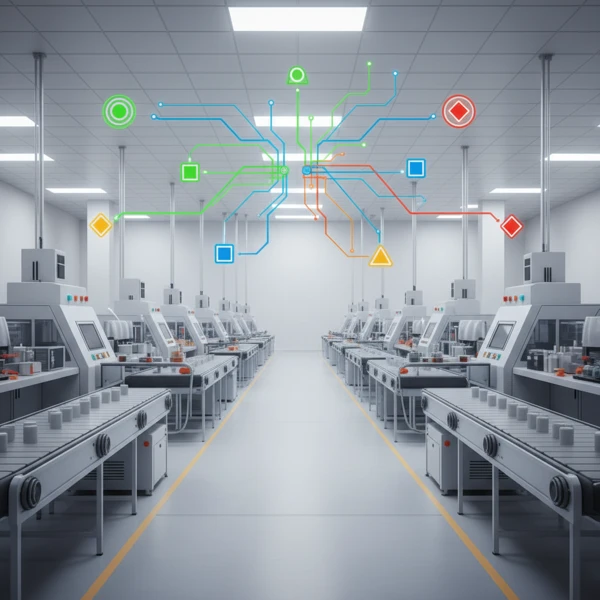
Navigating the labyrinth of medical device regulations feels like trying to hit a moving target while blindfolded. In 2026, that target is moving faster than ever.
Picture this: you've just poured months, maybe even years, into developing a groundbreaking medical device. You're convinced it will change lives. Then, just as you're about to launch, a new regulatory nuance crops up, sending your carefully planned timeline into a tailspin. Sound familiar? This isn't a hypothetical; it's the daily reality for manufacturing operations managers today.
The regulatory landscape for medical devices is becoming a dense jungle, with new paths and unexpected pitfalls appearing constantly. This isn't just about avoiding fines or recalls; it's about building trust, ensuring patient safety, and maintaining your reputation in a fiercely competitive market. Miss a compliance update, and you risk not only substantial penalties but also a significant blow to your brand's integrity. Just a heads up, the FDA's compliance actions dashboard shows this isn't child's play.
Why staying ahead of regulations matters

Ignoring or delaying regulatory updates is essentially playing Russian roulette with your business. The consequences aren't just financial, though those can be crippling. We're talking about:
- Product Recalls: A logistical and reputational nightmare, costing millions and eroding consumer trust.
- Hefty Fines: Regulatory bodies aren't shy about imposing significant penalties for non-compliance.
- Brand Damage: A single compliance failure can tarnish years of hard-won reputation in an instant.
- Operational Disruptions: Investigations and remediation efforts can halt production, impacting your bottom line.
Proactive compliance, however, is a different beast entirely. It’s about embedding quality and adherence into your manufacturing process from the very start, transforming a potential bottleneck into a streamlined, future-proof system. It enables you to focus on what you do best: innovating amazing medical devices.
Key regulatory shifts to watch in 2026
So, what exactly are we talking about when we say "evolving landscape"? For 2026, a few key areas demand your unwavering attention:
- eSTAR Submissions: As of October 1, 2025, all De Novo submissions must be electronic via eSTAR. This interactive PDF template guides applicants through comprehensive medical device submissions, and it's now required for all medical device 510(k) and De Novo submissions to the CDRH or CBER, unless exempted. The good news? It's free! However, be mindful of size limits: the CDRH Portal can't handle eSTARs larger than 4 GB total or attachments over 1 GB.
- Quality Management System Regulation (QMSR): Effective February 2, 2026, the QMSR amends 21 CFR Part 820 by incorporating the international standard ISO 13485:2016. This is a big deal. It signifies a move towards harmonizing U.S. regulations with global standards, directly impacting your quality control and documentation processes. As of the effective date, the FDA began utilizing the updated Inspection of Medical Device Manufacturers Compliance Program: 7382.850.
- Real-World Evidence (RWE) Guidance: The eSTAR program now aligns with the updated RWE guidance document, published on December 18, 2025, and effective February 16, 2026 according to the FDA's eSTAR Program information[1]. This means data collection, analysis, and submission methods must be robust enough to incorporate real-world data effectively, impacting everything from clinical trials to post-market surveillance.
Staying on top of these shifts requires vigilance, but more importantly, it demands systems that are inherently adaptable. This is where the magic of custom automation truly shines.
Custom automation for proactive compliance

Stop reacting to compliance updates and start baking them into your production line from day one. Custom automation isn't just about efficiency; it's about bulletproof regulatory adherence.
Let's be honest, generic, off-the-shelf automation systems are a bit like buying a one-size-fits-all suit for a superhero. It might cover the basics, but it won't optimize for your unique superpowers (or, in this case, your niche product's specific regulatory demands). For medical device manufacturing, where precision is literally a matter of life and death, "good enough" simply isn't an option. This is where custom automation steps in, offering a tailored fit that understands the specific challenges of your sector.
Custom automation acts as the backbone for a "compliance by design" philosophy. It's not just an add-on or an afterthought; it’s an intrinsic part of your production process, embedding regulatory adherence from the ground up. This approach ensures that every step, every component, and every piece of data is handled with meticulous care, making audit trails a joy rather than a dread.
Building compliance into the design
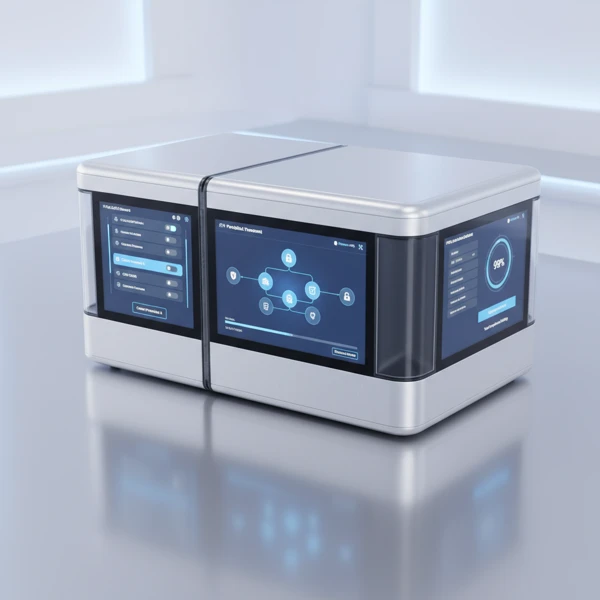
When you embrace compliance by design, you're not just hoping to pass an audit; you're building a system that makes it impossible to fail. How? By integrating features that automatically enforce quality checks and meticulous record-keeping:
- Automated Data Logging: Every critical parameter, every process step, every batch detail is automatically recorded, timestamped, and secured. No more manual log errors or missing paperwork.
- Real-time Quality Checks: Specialized vision systems, integrated directly into the line, perform instant, high-precision inspections, flagging defects or deviations before they become costly problems.
- Comprehensive Audit Trails: From raw material to finished product, every action, modification, and verification is logged, creating an immutable, tamper-proof history that delights auditors.
- MES/ERP Integration: Seamlessly connect your automation systems with your Manufacturing Execution System (MES) and Enterprise Resource Planning (ERP) for real-time monitoring and holistic data management.
- Unique Device Identification (UDI) Integration: The UDI system, intended to benefit everyone from manufacturers to consumers, aims to facilitate faster discovery of flawed information and quicker access to recall data. Custom automation can embed UDI labeling and tracking from the outset. For example, Brazil's Class III devices had a compliance date for labeling in January 2026 according to Rimsys[2].
PRIMATRONIC's integrated solution approach
At PRIMATRONIC, we're not just building machines; we're crafting integrated ecosystems designed for elite compliance and innovation. Our custom-built solutions, featuring specialized vision systems and bespoke software, are engineered to:
- Ensure Traceability: Every component, every process step, meticulously tracked and recorded, guaranteeing complete transparency and accountability.
- Reduce Manual Errors: Automated processes eliminate the variability and fatigue associated with human intervention, leading to consistently higher quality.
- Streamline Validation: Systems designed with compliance in mind simplify the validation process, saving you time and resources.
- Adapt to Change: Modular architectures mean our solutions can evolve with new regulations and technologies, safeguarding your investment.
When your automation is custom-designed, it becomes an extension of your quality control, not just a production tool. It’s the difference between hoping for compliance and guaranteeing it.
Prototyping and testing novel ideas
Ready to leap beyond the status quo? Custom automation isn't just for current production; it's your launchpad for radical innovation, allowing you to prototype future devices without breaking a sweat (or a budget).
Innovation Explorers, this one's for you. You're constantly asking: "What if?" "How can we do this better, faster, smarter?" But often, the leap from a brilliant idea to a production-ready prototype is fraught with complexity, cost, and the fear of disrupting your existing, revenue-generating lines. This is where most off-the-shelf solutions hit a brick wall. They're built for existing processes, not for pushing the envelope.
Custom automation isn't just about optimizing what you already do; it's about empowering you to build what no one has done before. It provides the agility and precision needed to explore radical new ideas for future production processes. Imagine taking a completely novel concept, a design that defies current industry norms, and bringing it to life in a controlled, iterative environment. That's the power we're talking about.
Empowering radical innovation
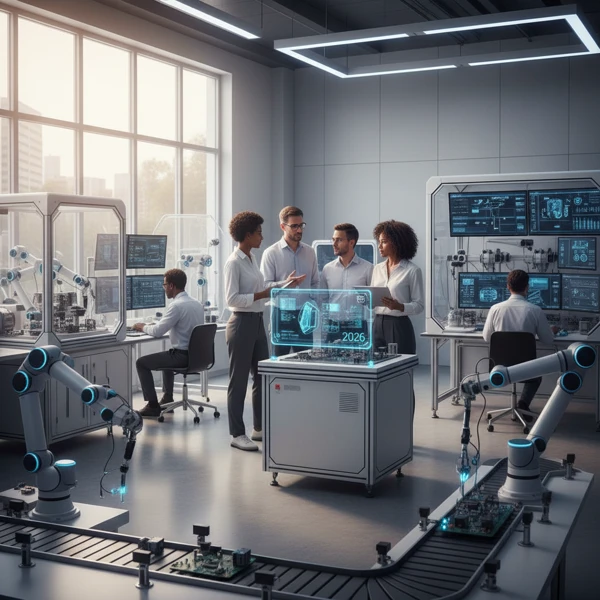
How does custom automation provide this playground for innovation?
- Agile Experimentation: Test unproven concepts without derailing your main production. Custom systems can be configured and reconfigured rapidly, allowing for quick iterations and hypothesis testing.
- Precision at Scale (or Small Scale): Whether it's a micro-assembly robot or a specialized inspection station, custom automation delivers the exact precision your novel device demands, even at prototype volumes.
- Bridging the Gap: Seamlessly transition from prototype to pilot to full-scale production. The modular nature of custom solutions means components developed for prototyping can often be integrated into larger systems.
- Industry 5.0 Alignment: We're not just talking about robots doing work; we're talking about systems that augment human capabilities, fostering a collaborative environment where operators and machines work together. This human-centric approach, a core tenet of Industry 5.0, means designs prioritize user-friendly interfaces that facilitate rapid iteration and development, directly addressing concerns about "black box" automation.
The ability to experiment, fail fast, and iterate even faster is the hallmark of true innovation. Custom automation provides that safe, dynamic space for your R&D teams.
Modular designs for future-proofing
One of the unsung heroes of custom automation is its modular architecture. Think of it like high-end LEGOs for your factory floor. This isn't just a buzzword; it's a fundamental design principle that future-proofs your investments.
Modular systems allow for:
- Phased Rollouts: Implement automation in stages, minimizing disruption and allowing your team to adapt incrementally. This reduces upfront risk and provides a clearer ROI pathway.
- Easy Adaptation: As new technologies emerge or your product designs evolve, individual modules can be upgraded, replaced, or reconfigured without overhauling the entire system. This means your automation stays relevant.
- Scalability: Need to ramp up production for a successful prototype? Simply add more modules. Scale your operations efficiently without massive re-investment or downtime.
- Rapid Problem Solving: If an issue arises in one module, it can often be isolated and addressed without impacting the rest of the production line. This minimizes downtime and maintains overall efficiency.
This flexible, adaptable approach is crucial for medical device manufacturers who need to stay ahead of both technological advancements and regulatory changes. It's about building a production line that can genuinely grow and transform with your vision, not hold it back.
Leveraging AI and IoT for predictive insights

Ever wish your factory could tell you exactly when a machine was about to fail, or suggest a more efficient workflow, all on its own? Welcome to the future of medical device manufacturing, powered by AI and IoT.
For many Manufacturing Operations Managers, the bane of their existence is the unexpected equipment failure. That sudden halt in production, the scramble for parts, the frantic calls to technicians – it’s a recipe for stress and lost revenue. And Lead Automation Engineers are hungry for cutting-edge technology that doesn't just automate, but actually anticipates. This is precisely where AI and IoT step up, transforming your production line from reactive to truly predictive.
Integrating these advanced capabilities into custom automation isn't just about collecting data; it's about turning that data into actionable intelligence. It means moving beyond simple monitoring to understanding patterns, predicting future states, and even self-optimizing. This is the paradigm shift that will define medical device production in 2026 and beyond.
AI for smarter production workflows
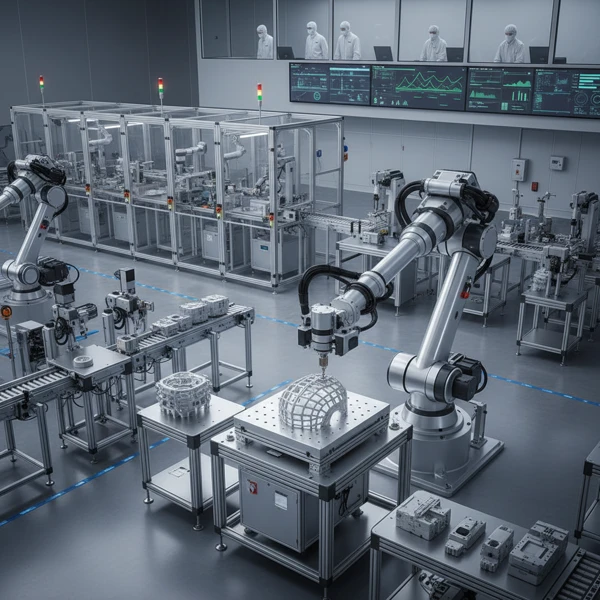
Artificial Intelligence is no longer sci-fi; it's a powerful tool revolutionizing how medical devices are made. Think about the possibilities:
- Predictive Maintenance: AI analyzes sensor data from your machinery, identifying subtle anomalies that indicate impending failure. It can predict when a component is likely to wear out, allowing you to schedule maintenance proactively during planned downtime, not reactively during an emergency.
- Process Optimization: AI algorithms can analyze vast datasets from your production line to identify bottlenecks, inefficiencies, and areas for improvement. It can then suggest adjustments to machine parameters, material flow, or even operator tasks to boost throughput and quality.
- Adaptive Production: Imagine a system that can adapt to minor variations in raw materials or environmental conditions, adjusting its parameters on the fly to maintain consistent quality and output. This is the promise of AI-driven workflow automation.
- Enhanced Quality Control: Paired with custom vision systems, AI can perform inspections at superhuman speed and accuracy, identifying microscopic defects or subtle deviations that would be impossible for the human eye to catch consistently. This is particularly valuable for niche industry specialists.
The FDA encourages the development of innovative, safe, and effective medical devices, including those incorporating AI. For example, several AI-enabled medical devices, such as TruSPECT Processing Station, AIR Recon DL, and ART-Plan+ (v3.1.0), were authorized in late 2025 according to the FDA's Artificial Intelligence-Enabled Medical Devices database[3].
IoT integration for real-time visibility
If AI is the brain, then the Internet of Things (IoT) is the nervous system of your smart factory. IoT sensors, embedded throughout your production environment, collect an astonishing amount of data in real-time. This isn't just theoretical; it's happening right now, giving you unprecedented visibility into every corner of your operations.
This real-time data flow enables:
- Comprehensive Monitoring: Track machine performance, environmental conditions, material usage, and product quality from a centralized dashboard.
- Immediate Issue Detection: Receive instant alerts for any deviation from normal operating parameters, allowing for rapid intervention before minor issues escalate.
- Data-Driven Decisions: With a wealth of real-time and historical data at your fingertips, you can make informed decisions about process improvements, resource allocation, and future investments. For more on this, check out our guide on 2026 production bottleneck solutions: fix your flow & boost output.
- Enhanced Cybersecurity: While connecting systems introduces new considerations, robust, integrated solutions prioritize cybersecurity from the ground up, implementing secure protocols and continuous monitoring to protect sensitive operational data.
Combining AI's analytical prowess with IoT's data-gathering capabilities creates a powerful synergy. This means not just faster, but also smarter and more reliable medical device production, mitigating unexpected failures and crushing those bottlenecks that slow you down.
Choosing your innovation partner
Finding the right partner for custom automation is like choosing your co-pilot for a moon mission. You need someone who knows the craft, shares your vision, and isn't afraid to explore uncharted territory.
So, you're convinced. Custom automation is the future for your medical device manufacturing. But how do you pick the right partner in a sea of providers? This isn't just a vendor selection; it’s about forging a collaborative relationship that will define your competitive edge for years to come. You need a partner who understands the unique tightrope walk between elite compliance and breakthrough innovation in 2026.
The key challenges in developing adaptable, learning automation systems aren't just technical; they're also about vision and partnership. You need someone who can translate your wildest ideas into tangible, regulatory-compliant solutions. Someone who sees your specific production challenges not as problems, but as exciting opportunities for bespoke engineering.
What to look for in a custom automation provider
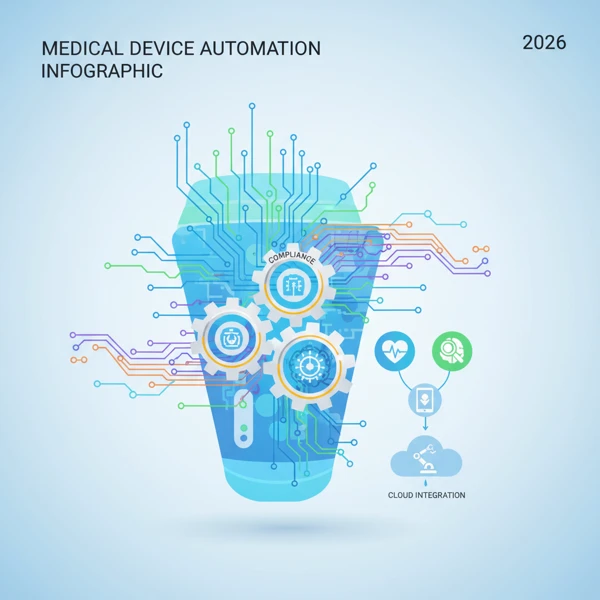
Before you commit, here's a checklist of non-negotiables for your ideal custom automation partner:
- Deep Medical Device Regulatory Expertise: They shouldn't just know automation; they need to live and breathe FDA regulations, ISO standards, and global compliance mandates like UDI. Ask for specific examples of how their solutions ensure adherence.
- Proven Track Record in Custom Solutions: Look beyond standard offerings. Can they demonstrate complex, bespoke projects that directly solve unique manufacturing problems? Case studies are your best friend here.
- Collaborative & Consultative Approach: They should listen more than they talk. The best partners don't just sell you a system; they work alongside your team, understanding your processes, and co-creating solutions.
- Commitment to Innovation: Are they investing in R&D for AI, IoT, and advanced robotics? Do they push the boundaries of what's possible, not just what's been done?
- Strong Post-Implementation Support: Automation isn't a "set it and forget it" deal. What kind of ongoing maintenance, calibration, and support do they offer? This is crucial for long-term operational excellence.
- Integrated Hardware and Software Solutions: A truly custom partner provides both the physical automation (robotics, vision systems) and the intelligent software (PLC, HMI, SCADA, MES integration) that drives it. This ensures seamless operation and single-point accountability.
| Feature | Generic Automation | Custom Automation (e.g., PRIMATRONIC) |
|---|---|---|
| Regulatory Adherence | Basic features, often requires manual gaps filled. | "Compliance by Design" embedded; automated audit trails, data logging. |
| Problem Solving | Solves common industry problems. | Engineered for unique, niche production challenges. |
| Innovation & Prototyping | Limited flexibility for novel concepts. | High adaptability for rapid R&D and future-proofing via modular design. |
| System Integration | Often requires significant custom work for MES/ERP. | Seamless MES/ERP, AI, and IoT integration. |
| Vision Systems | Standardized inspection capabilities. | Specialized, high-precision vision for specific product geometries. |
Let's shape the future together
The medical device industry is at a crossroads where compliance, innovation, and efficiency must converge. Choosing the right partner isn't just about buying equipment; it's about investing in a future where your production lines are as advanced and compliant as your medical devices themselves. We’ve built our reputation on turning complex challenges into streamlined, high-performance solutions. If you're ready to transcend the ordinary and redefine what's possible in medical device manufacturing, let's talk.
Medical Device Automation Readiness Checklist
Where does your organization stand on the path to elite compliance and innovation? Let's find out together.
1. How do you currently handle new FDA regulatory updates (e.g., eSTAR, QMSR)?
2. How flexible are your current manufacturing processes for prototyping novel devices?
3. Do you use AI or IoT for predictive maintenance or workflow optimization?
4. How effectively do your systems capture and generate audit-ready data for traceability?
I put together a helpful PDF that covers key strategies for advanced manufacturing in Europe, including how these automation trends translate into tangible ROI for your specific operations. It’s got some deeper dives into case studies and implementation roadmaps — grab it here.
Key sources & trust
| # | Source | Trust Score | Key Insight | Link |
|---|---|---|---|---|
| 1 | FDA eSTAR Program | 80/100 | Mandatory eSTAR submissions and QMSR/RWE guidance updates in 2026. | FDA.gov |
| 2 | Rimsys Global UDI Requirements | 50/100 | Global UDI compliance dates for medical devices, including Brazil. | Rimsys.io |
| 3 | FDA AI-Enabled Medical Devices | 80/100 | List of FDA-authorized AI-enabled medical devices. | FDA.gov |
| 4 | FDA Quality Management System Regulation (QMSR) | 80/100 | QMSR amends 21 CFR Part 820, incorporating ISO 13485:2016. | FDA.gov |
| 5 | FDA Purple Book | 85/100 | Database for approved biological products and medical devices. | purplebooksearch.fda.gov |
Frequently asked questions
The major challenges in 2026 revolve around evolving FDA requirements like the mandatory eSTAR submissions and the new Quality Management System Regulation (QMSR), alongside global Unique Device Identification (UDI) mandates. Data integrity, cybersecurity for connected devices, and robust traceability systems are also critical.
Custom automation embeds "compliance by design." This means systems are built from the ground up to automate data logging, ensure real-time quality checks, generate comprehensive audit trails, and integrate with MES/ERP for full traceability. It minimizes human error and enforces adherence to specific protocols automatically.
Absolutely! Custom automation, especially with modular architectures, allows for rapid prototyping and testing of novel concepts without disrupting existing production lines. It provides the flexibility to iterate quickly, explore radical ideas, and develop next-gen production processes aligned with Industry 5.0 principles.
AI and IoT are game-changers. AI-driven workflow automation optimizes processes, predicts potential equipment failures, and adapts production in real-time. IoT sensors provide unprecedented visibility and data analysis capabilities, enabling predictive maintenance, reducing bottlenecks, and making smarter, data-driven decisions.
Look for a partner with deep expertise in medical device regulations, a proven track record in custom-built solutions (especially vision systems and software), a collaborative approach, and a commitment to integrating future-proof technologies like AI and modular design. Strong post-implementation support is also crucial for long-term success.
Custom automation is perfectly suited for niche medical device production. Generic, off-the-shelf solutions often fall short when dealing with unique product geometries, specialized materials, or highly specific regulatory requirements. Custom systems can be precisely tailored to handle these complexities, ensuring optimal quality and compliance for specialized applications.
Implementation timelines vary significantly depending on the complexity and scope of the project. However, modular architectures and a phased rollout approach can accelerate deployment. A detailed initial consultation and design phase with your automation partner will provide a more accurate timeline tailored to your specific needs.
PRIMATRONIC prioritizes cybersecurity by integrating robust protocols into every layer of our custom automation solutions. This includes secure network architectures, stringent access controls, data encryption, and continuous monitoring to protect sensitive production data and ensure regulatory compliance against cyber threats.
Ready to transform your production?
If you're tired of generic solutions and the constant scramble to keep up with regulations, it's time for a different approach. Let's build something extraordinary together – automation that's not just compliant, but genuinely innovative.
Let's talk about your visionRelated Posts
Operator-centric automation: boost efficiency & innovate production in 2026
Boost manufacturing automation efficiency in 2026 with operator-centric automation. Drive peak performance & breakthrough innovation.
Fixed-price automation projects: predictable roi for european manufacturing 2026
European manufacturers: unlock predictable ROI with fixed-price automation projects in 2026. Learn how to manage costs and drive innovation.
Edge AI and custom automation: how to explore the future of European manufacturing in 2026
Discover how European manufacturers can leverage Edge AI and custom automation in 2026 to innovate, optimize production, and achieve breakthroughs.